
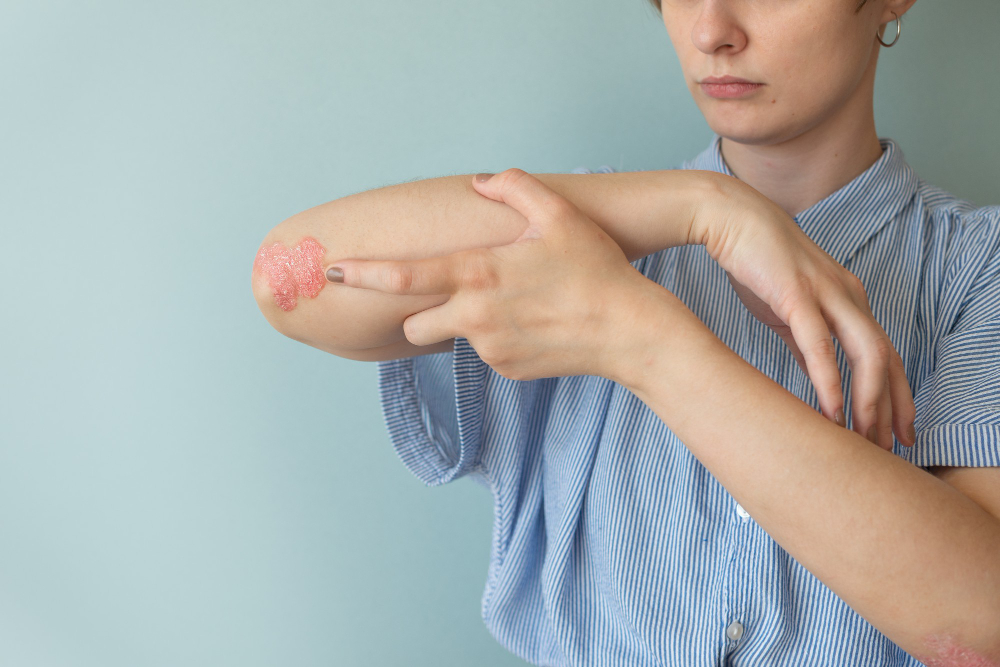
What Is Psoriasis?
Psoriasis is a long-lasting skin condition. It causes itchy, scaly skin patches that can be red or silver. Many people notice these patches on their elbows, knees, or scalp. However, psoriasis can appear anywhere on the body. This condition is not contagious. That means you cannot catch it from someone else. Still, it can affect your daily life. Because of this, many people look for natural psoriasis treatment options. Homeopathy is one such approach that some people try for relief.
Common Symptoms of Psoriasis
Psoriasis symptoms can vary from person to person. Yet, some signs are more common than others. For example, you may notice:
Sometimes, symptoms get worse during certain times. For instance, cold weather or stress can trigger flare-ups. Therefore, knowing your triggers can help you manage the condition better.
Causes and Risk Factors
Doctors do not know the exact cause of psoriasis. However, they believe it is linked to the immune system. In psoriasis, the immune system attacks healthy skin cells by mistake. This causes new skin cells to grow too quickly. As a result, thick, scaly patches form. Several risk factors can increase your chances of developing psoriasis, such as:
While you cannot change your genes, you can manage some risk factors. For example, reducing stress and avoiding skin injuries may help prevent flare-ups.
How Is Psoriasis Diagnosed?
Doctors usually diagnose psoriasis by looking at your skin. Sometimes, they may take a small skin sample for testing. This helps rule out other skin problems. Early diagnosis is important. That way, you can start treatment and manage symptoms sooner. If you notice itchy, scaly skin that does not go away, see your doctor. They can help you find the best care plan.
Homeopathic Approaches to Psoriasis Care
Many people seek homeopathic remedies for psoriasis. Homeopathy uses natural substances in very small amounts. These remedies aim to boost the body’s healing process. Some common homeopathic options for psoriasis care include:
However, homeopathic remedies should be chosen by a qualified specialist. Each person’s symptoms are unique. Therefore, a homeopath will consider your overall health before suggesting a treatment. According to some studies, homeopathy may help manage mild symptoms. Still, more research is needed. The World Health Organization (WHO) suggests using homeopathy as a complementary approach, not a replacement for medical care.
Lifestyle Tips for Managing Itchy, Scaly Skin
Besides treatment, daily habits can help control psoriasis symptoms. For example, you can:
Additionally, regular exercise and enough sleep can improve your overall health. These steps may reduce flare-ups and keep your skin feeling better.
Prevention and Self-Care Strategies
While you cannot always prevent psoriasis, you can lower your risk of flare-ups. Try these self-care strategies:
For those seeking homeopathic care, choose a licensed practitioner. In some areas, you may find clinics that specialize in natural psoriasis treatment. Always check their credentials before starting any new therapy.
When to See a Specialist
Sometimes, home care is not enough. You should see a specialist if:
Early help can prevent complications. Therefore, do not wait if symptoms get worse. A dermatologist or homeopathic specialist can guide you to the right care.
Consult a homeopathic specialist at Mutha’s Multispeciality Homoeopathic Clinic for personalized psoriasis care and advice.